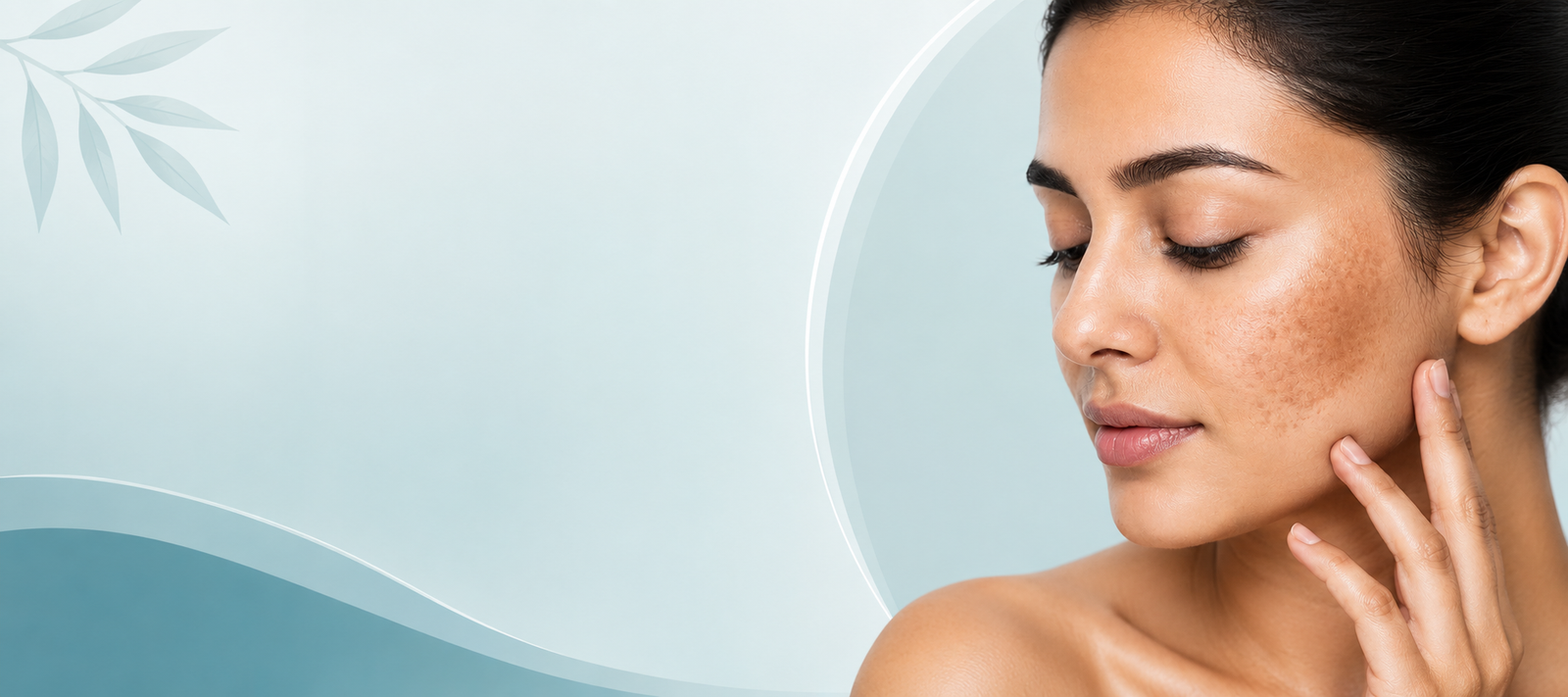
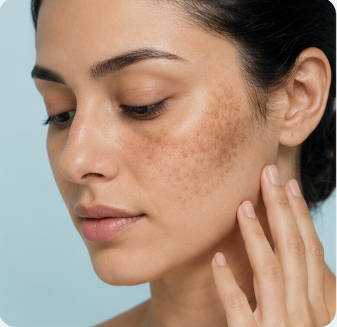
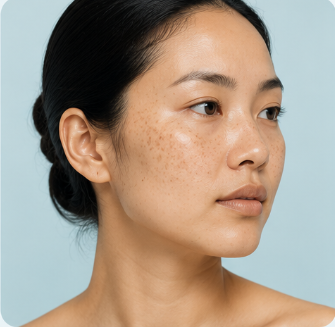
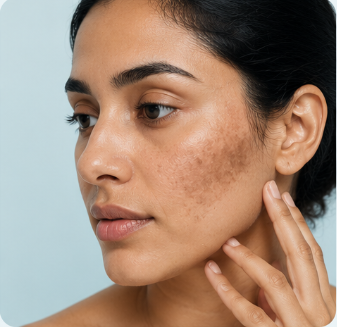
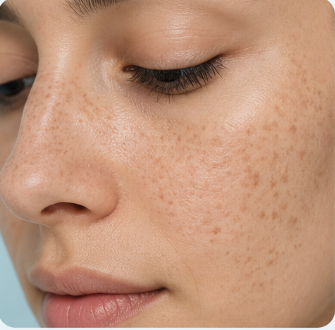
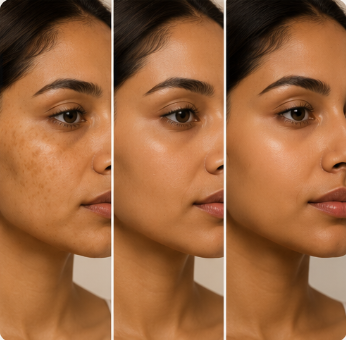
Skin pigmentation refers to the coloring of the skin caused by melanin — the natural pigment produced by cells called melanocytes. When these cells become damaged or unhealthy, it affects melanin production and leads to uneven patches, dark spots or discoloration.
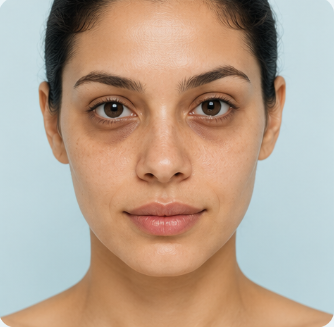
Pigmentation disorders can manifest as hyperpigmentation (darkening of the skin) or hypopigmentation (lightening of the skin). Common conditions include melasma, post-inflammatory hyperpigmentation (PIH), sunspots, freckles, age spots and dark circles.
Factors such as prolonged sun exposure, hormonal changes, acne, skin injuries and genetics can all contribute to pigmentation. With the right treatment, pigmentation can be significantly reduced and skin tone restored to a more even, radiant appearance.
Different types of pigmentation require different approaches. Here are the most common conditions treated at our clinic.
Dr. Aditi Jha carefully assesses all skin parameters before recommending treatment. She uses first-line, evidence-based methods and combines modalities for best results in minimum sessions.
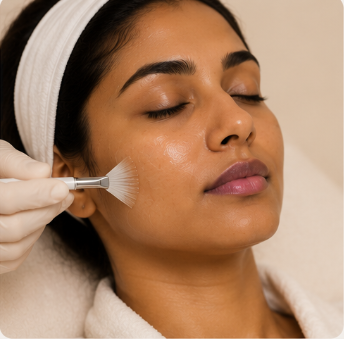
Solutions applied to chemically exfoliate dead skin cells, targeting acne marks, melasma, PIH, uneven tone and phototanning.
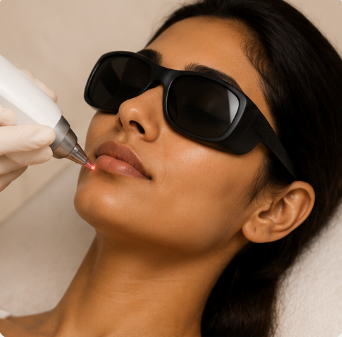
Non-ablative Q-switched laser breaks down excess melanin, evens skin tone and brightens the complexion with no downtime.
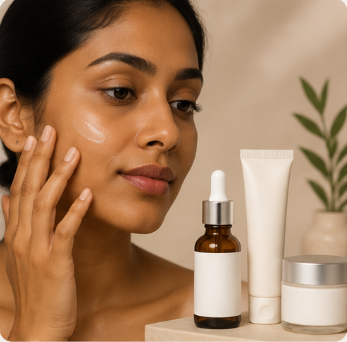
Prescribed creams containing hydroquinone, kojic acid, azelaic acid, retinoids or niacinamide to gradually lighten dark patches.
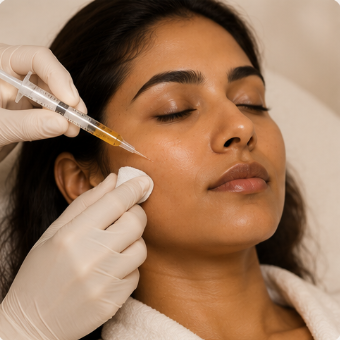
Platelet-Rich Plasma injections boost skin repair and reduce pigmentation by stimulating natural growth factors and cell renewal.
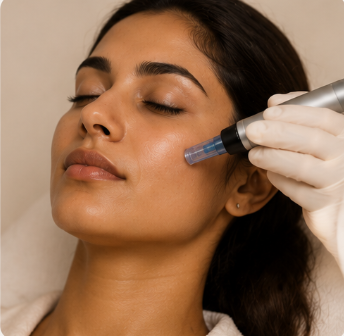
Micro-injuries stimulate collagen and allow better absorption of depigmenting serums, making them more effective for stubborn spots.
Dr. Jha frequently uses sequential or combination treatments — such as peels with laser toning — for faster and longer-lasting results.
Dr. Jha evaluates your skin type, pigmentation pattern, depth and triggers — including sun exposure history and hormonal factors.
A personalized plan is created combining the most cost-effective, evidence-based treatments suited to your specific pigmentation type.
The recommended treatment — chemical peel, laser, PRP or topical — is carried out in a sterile clinical environment with precision and care.
Sun protection guidance, prescribed home care and scheduled follow-up sessions to monitor progress and maintain results long-term.
Pigmentation is caused by excess melanin production due to sun exposure, hormonal changes, acne, skin injuries, genetics or inflammation. It can appear as dark patches, spots or uneven tone.
Most treatments such as chemical peels and laser skin toning are well-tolerated with minimal discomfort. A numbing cream may be applied before procedures like laser or microneedling.
Most patients notice improvement within 3–6 sessions depending on the type and severity of pigmentation. Dr. Jha will give you a realistic timeline during your consultation.
Pigmentation can recur, especially with continued sun exposure or hormonal fluctuations. Regular SPF use, maintenance sessions and a proper skincare routine help prevent recurrence.
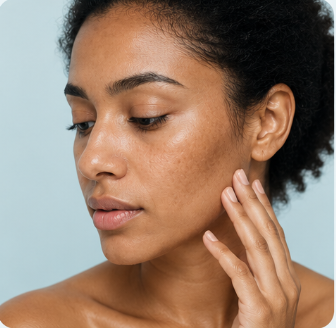
Yes. Dr. Aditi Jha has extensive experience treating darker skin tones, which require special care. She selects treatments specifically calibrated to avoid post-treatment darkening.
Most treatments involve minimal downtime. Chemical peels may cause mild peeling for a few days, while laser toning typically has no downtime. Dr. Jha will advise you based on your treatment plan.
Consult Dr. Aditi Jha for a personalised pigmentation treatment plan and achieve the clear, even skin you deserve.